A-level German tutors
9 UK tutors who teach German at A-level. £35–£50/hr · median £45
German is offered at GCSE and A-level (AQA, Edexcel, Eduqas) but with declining take-up. Fewer schools staff it well, which makes tutoring more often a substitute for school teaching than a supplement. The case system (nominative/accusative/dative/genitive) and word order are the structural challenges; speaking-exam confidence and the A-level set works (often Der Vorleser, Das Leben der Anderen, Goodbye Lenin!) are where tutoring most often earns its keep. Native-speaker fluency matters at A-level, where examiners expect range and idiom. Look for tutors who've taught the specific spec, not just German generally.
A-levels are sat at the end of Year 13 (age 17-18) and are the standard UK university-entrance qualification, with most students taking 3 subjects (sometimes 4 plus an EPQ). Grades A*-E feed UCAS, and competitive university courses set offers at AAA or higher. Tutoring helps most with the step up from GCSE: A-levels demand independent learning, denser content, and exam technique that rewards structured argument or method-mark-aware working. Boards (AQA, Edexcel, OCR, Eduqas, CIE) diverge meaningfully, so match the tutor to the spec, especially in maths, sciences and modern languages where assessment differences are sharp.

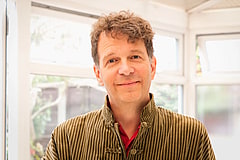
Jonathan S.
Qualified MFL teacher, native German speaker. Edexcel and AQA German and French, GCSE and A-level, plus adult beginners and 11+.
- German
- French
- 11+ prep
- +4 more






Read up before you book
Plain-English guides
About A-level
Year groups, exam timing, and how A-level fits into the UK qualification ladder.
Exam boards
AQA, Edexcel, OCR, Eduqas, CCEA, SQA and Cambridge International — what each is known for.
Parent guides
Cost benchmarks, online vs in-person, when to start, choosing a tutor, and knowing if it's working.
Also explore