A-level ICT tutors
3 UK tutors who teach ICT at A-level.
ICT as a discrete qualification has largely been replaced by Computer Science at GCSE and A-level, but it still appears at KS3, in BTEC and Cambridge Nationals routes, and in adult and Functional Skills contexts. Content is more applied than CS (spreadsheets, databases, project work, digital literacy) and assessment leans on coursework and scenario tasks. Tutoring helps most with the structured project work and with the digital-literacy gap older students sometimes carry. For students mid-stream in legacy ICT specs, check the awarding body (Cambridge Nationals, BTEC, OCR) and the cohort year, as content has shifted repeatedly.
A-levels are sat at the end of Year 13 (age 17-18) and are the standard UK university-entrance qualification, with most students taking 3 subjects (sometimes 4 plus an EPQ). Grades A*-E feed UCAS, and competitive university courses set offers at AAA or higher. Tutoring helps most with the step up from GCSE: A-levels demand independent learning, denser content, and exam technique that rewards structured argument or method-mark-aware working. Boards (AQA, Edexcel, OCR, Eduqas, CIE) diverge meaningfully, so match the tutor to the spec, especially in maths, sciences and modern languages where assessment differences are sharp.

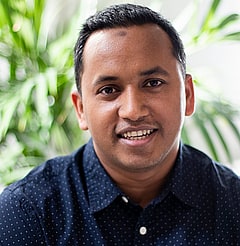
Dr G.
Personalized hands-on tutoring in Computer Science, Python, Cyber Security, ICT & Software Engineering GCSE, A-Level & University exams
- Computer Science
- Statistics
- Design Technology
- +3 more

Read up before you book
Plain-English guides
About A-level
Year groups, exam timing, and how A-level fits into the UK qualification ladder.
Exam boards
AQA, Edexcel, OCR, Eduqas, CCEA, SQA and Cambridge International — what each is known for.
Parent guides
Cost benchmarks, online vs in-person, when to start, choosing a tutor, and knowing if it's working.
Also explore