GCSE Chemistry tutors
Showing 24 of 129 UK tutors who teach Chemistry at GCSE. £15–£150/hr · median £40
Chemistry spans GCSE (combined or triple), A-level and Pre-U, with the usual sticking points clustered around moles and stoichiometry, organic mechanisms, and the energetics/kinetics/equilibria block at A-level. Tutoring helps most with the conceptual bridges (why electrons go where they go, how to read a mechanism rather than memorise it) and with the long-mark structured questions where method marks are won or lost. AQA, OCR A, OCR B (Salters), Edexcel and CIE differ meaningfully on required practicals and synoptic style. For medicine and Oxbridge applicants, look for tutors comfortable taking problems past the syllabus.
GCSE chemistry splits into a part students can reason through and a part they simply have to know. Bonding, moles and rates reward understanding; the qualitative tests, the reactivity series and the required practicals reward recall, and students who are strong at the first half often lose marks on the second. Mathematical skills carry a 20 per cent assessment weighting, which mostly means moles, concentration and percentage yield. Required practicals are examined in the written papers rather than assessed in the lab. Tutoring at this level tends to divide the same way: untangling the mole concept, then building a memory routine for the recall-heavy topics that no amount of understanding will substitute for.
GCSEs are sat in Year 11 (age 15-16), with most students taking 8-10 subjects. They're the load-bearing UK school qualification: the 9-1 graded exams that drive sixth-form admission, apprenticeship eligibility, and (via maths and English at grade 4 or 5) university and many job prerequisites. Tutoring demand peaks here. The biggest grade gains tend to come from exam-paper technique rather than further content. Students often know more than they show. Boards (AQA, Edexcel, OCR, Eduqas, WJEC, CIE) diverge on content and assessment, so tutor familiarity with the specific spec is meaningful in most subjects.
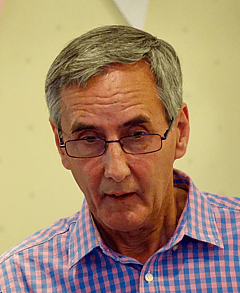


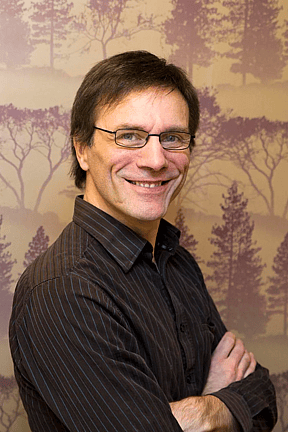
Mr George D.
Qualified Chemistry teacher · 10 yrs in independent schools · First Class MSci, Imperial,Published Author
- Maths
- Chemistry
- Combined Science
- +6 more









Read up before you book
Plain-English guides
About Chemistry
What Chemistry covers across UK levels, where tutoring usually helps, and what to look for in a tutor.
About GCSE
Year groups, exam timing, and how GCSE fits into the UK qualification ladder.
Exam boards
AQA, Edexcel, OCR, Eduqas, CCEA, SQA and Cambridge International — what each is known for.
Also explore