KS3 Creative Writing tutors in London
8 UK tutors who teach Creative Writing at KS3 in London. £43–£100/hr · median £58
Creative Writing tutors based in London. Tutors elsewhere in the UK, including those teaching online, are on the main Creative Writing tutors page.
Creative Writing covers short fiction, creative non-fiction, poetry, and scriptwriting for stage and screen. It appears as a strand within English Language at GCSE and A-level (where it carries real weight in the writing papers), as part of EPQ projects, and as a standalone Open University and adult-learner discipline. Tutoring helps most with the workshopping habit: close reading of drafts, line-edit feedback, and the structural craft (point of view, voice, scene vs summary) that schools often don't teach explicitly. Look for tutors with published or produced work in the form they're teaching, ideally with workshop or MA-style facilitation experience.
At key stage 3 the national curriculum asks for stories, scripts, poetry and other imaginative writing alongside essays, letters and talks, and expects pupils to plan, draft, edit and proofread their work. In the last years of primary school pupils learn to describe settings, characters and atmosphere; key stage 3 adds using the literary and rhetorical devices they meet in their reading to strengthen their own writing. These years lead straight into GCSE. On AQA's GCSE English Language, one piece of descriptive or narrative writing is worth a quarter of the grade, and 16 of its 40 marks are for technical accuracy. Tutoring at this age is usually about the drafting habit, so that a pupil revises a piece rather than handing in the first version.
Key Stage 3 covers Years 7, 8 and 9 (ages 11-14), the first three years of secondary school, before GCSE choices and content begin. It's a quieter period for tutoring than KS2 or GCSE, but the foundations laid (or missed) at KS3 drive GCSE outcomes more than students or parents usually realise. Tutoring helps most where confidence has dropped at the primary-secondary transition (especially in maths, where the algebra step lands here) or where a student is ahead and under-stretched. The 13+ for independent-school transfer is sat in Year 8, which adds a separate layer of preparation for that cohort.
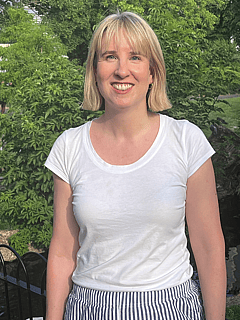

Katherine C.
Oxford Graduate ✦ Former Leading London Prep School Teacher ✦ 17+ Years' Experience ✦ 11+, Creative Writing & Maths Specialist ✦
- Creative Writing
- Common Entrance
- Primary Education
- +7 more

Catherine W.
Qualified Primary Teacher (NPQLT) & Nurturing 11+ Specialist | In-Person & Online
- 11+ prep
- Creative Writing
- English
- +1 more
- SpLD
- ADHD & EF
- Processing & cognitive
- +1 more

Read up before you book
Plain-English guides
Also explore