GCSE English Literature tutors
Showing 24 of 104 UK tutors who teach English Literature at GCSE. £15–£150/hr · median £50
English Literature at GCSE and A-level is taught around set texts: a Shakespeare, a 19th-century novel, a modern play or novel, and an anthology of poetry at GCSE; longer set texts and a coursework component at A-level. Tutoring helps most where students can discuss a text fluently but struggle to write to the assessment objectives: context, language analysis, structural analysis, comparison. Boards (AQA, Edexcel, OCR, Eduqas, WJEC) prescribe different texts; tutor familiarity with the specific texts matters more here than in most subjects. For A-level, look for tutors comfortable with critical theory and unseen analysis under timed conditions.
GCSE English Literature is a closed-book exam for most texts, so students quote from memory. That single fact shapes how the subject is taught and where tutoring helps. The set list covers a Shakespeare play, a nineteenth-century novel, modern prose or drama, and an anthology of poetry with an unseen poetry question attached. Which texts a student sits varies by school, so it is worth checking a tutor has taught the specific ones rather than the subject in general. Most marks are lost in the same two places: quotations recalled loosely enough to weaken the analysis, and answers that retell the plot instead of arguing about the writer's choices.
GCSEs are sat in Year 11 (age 15-16), with most students taking 8-10 subjects. They're the load-bearing UK school qualification: the 9-1 graded exams that drive sixth-form admission, apprenticeship eligibility, and (via maths and English at grade 4 or 5) university and many job prerequisites. Tutoring demand peaks here. The biggest grade gains tend to come from exam-paper technique rather than further content. Students often know more than they show. Boards (AQA, Edexcel, OCR, Eduqas, WJEC, CIE) diverge on content and assessment, so tutor familiarity with the specific spec is meaningful in most subjects.


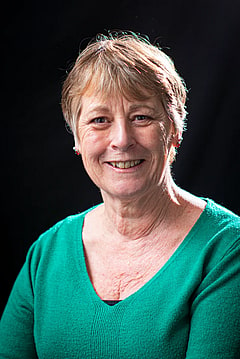












Christine K.
Secondary English Lit and Lang tutor, 15 years experience (tutor, teacher and examiner).
- English Language
- English Literature
- EPQ
- +1 more



Read up before you book
Plain-English guides
About GCSE
Year groups, exam timing, and how GCSE fits into the UK qualification ladder.
Exam boards
AQA, Edexcel, OCR, Eduqas, CCEA, SQA and Cambridge International — what each is known for.
Parent guides
Cost benchmarks, online vs in-person, when to start, choosing a tutor, and knowing if it's working.
Also explore