GCSE Further Maths tutors
Showing 13 of 61 UK tutors who teach Further Maths at GCSE. £15–£175/hr · median £50
Further Maths is taken alongside A-level Maths and is effectively a separate subject: Core Pure plus optional modules in Mechanics, Statistics, Decision, Further Pure or Numerical Methods, depending on board. It's expected for competitive maths, physics, engineering and economics applications, and required for STEP-track Cambridge entries. Tutoring earns its keep on Core Pure (matrices, complex numbers, polar curves, hyperbolic functions) and on whichever optional papers a school can't staff well. Edexcel, AQA, OCR and OCR MEI structure the optional papers differently. Match the tutor to the spec, not just the title.
GCSEs are sat in Year 11 (age 15-16), with most students taking 8-10 subjects. They're the load-bearing UK school qualification: the 9-1 graded exams that drive sixth-form admission, apprenticeship eligibility, and (via maths and English at grade 4 or 5) university and many job prerequisites. Tutoring demand peaks here. The biggest grade gains tend to come from exam-paper technique rather than further content. Students often know more than they show. Boards (AQA, Edexcel, OCR, Eduqas, WJEC, CIE) diverge on content and assessment, so tutor familiarity with the specific spec is meaningful in most subjects.




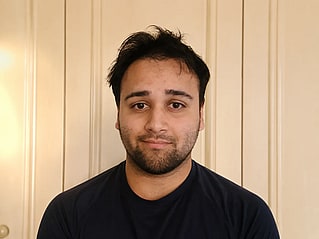
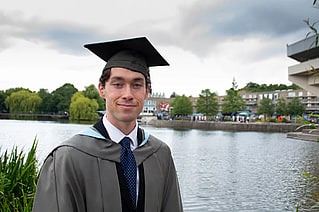





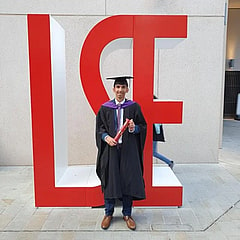
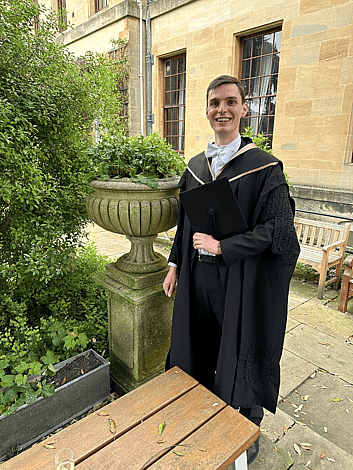
Michael M.
Oxford Maths and Philosophy Graduate - Teaches GCSE, A-Level and University Admissions Maths, GCSE Physics and Introductory Philosophy
- Maths
- Physics
- Further Maths
- +3 more
Read up before you book
Plain-English guides
About Further Maths
What Further Maths covers across UK levels, where tutoring usually helps, and what to look for in a tutor.
About GCSE
Year groups, exam timing, and how GCSE fits into the UK qualification ladder.
Exam boards
AQA, Edexcel, OCR, Eduqas, CCEA, SQA and Cambridge International — what each is known for.
Also explore