A-level Science tutors
7 UK tutors who teach Science at A-level. £15–£75/hr · median £30
Science at primary and KS3 level is the foundation that GCSE Combined or Triple builds on: working scientifically, the basics of forces, particles, cells, reactions and ecosystems. At this stage tutoring is rarely about content gaps and more about confidence with practical thinking, graph-reading, and the vocabulary that exam-board mark schemes will later reward. For KS3 students heading into Year 10, a few sessions on independent/dependent variables, units, and scientific writing pay off across all three sciences at GCSE. Look for tutors comfortable across biology, chemistry and physics rather than specialists in one.
A-levels are sat at the end of Year 13 (age 17-18) and are the standard UK university-entrance qualification, with most students taking 3 subjects (sometimes 4 plus an EPQ). Grades A*-E feed UCAS, and competitive university courses set offers at AAA or higher. Tutoring helps most with the step up from GCSE: A-levels demand independent learning, denser content, and exam technique that rewards structured argument or method-mark-aware working. Boards (AQA, Edexcel, OCR, Eduqas, CIE) diverge meaningfully, so match the tutor to the spec, especially in maths, sciences and modern languages where assessment differences are sharp.
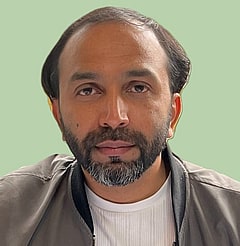
Dr Muhammad K.
PhD in Engineering | 15 years of Teaching Experience in Maths, Science & Engineering | Published Writer & Author | GCSE, A-Level, University
- Chemistry
- Maths
- Further Maths
- +7 more

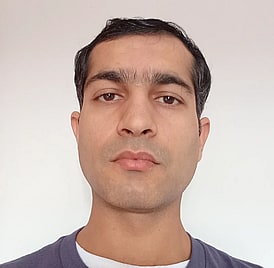
Mr Muhammad U.
GCSC, A Levels Science and Maths Tutor (Range Primary and High Schools+ College) 12 years of professional Experience with Exceptional Result
- Urdu
- Statistics
- Combined Science
- +5 more

Read up before you book
Plain-English guides
About Science
What Science covers across UK levels, where tutoring usually helps, and what to look for in a tutor.
About A-level
Year groups, exam timing, and how A-level fits into the UK qualification ladder.
Exam boards
AQA, Edexcel, OCR, Eduqas, CCEA, SQA and Cambridge International — what each is known for.
Also explore