Functional Skills Maths tutors
Showing 18 of 66 UK tutors who teach Maths at Functional Skills. £15–£150/hr · median £40
Maths runs the full distance in the UK curriculum: from Year 1 number bonds through GCSE problem-solving to A-level Pure, Mechanics and Statistics. Tutoring helps most at the friction points: the jump from arithmetic to algebra around Year 6/7, the pace and breadth of GCSE coverage, and the technique-led applied papers at A-level. Spec choice matters: Edexcel, AQA, OCR and MEI diverge enough on Mechanics, Statistics and Decision content that exam-paper familiarity is part of the job. For 11+ and 13+ prep, look for tutors who know the local test format (GL, CEM, ISEB, or bespoke school papers).
Functional Skills maths runs from Entry Level 1 to Level 2, and each level is graded pass or fail. Level 2 is at the same qualification level as GCSE grades 9 to 4, and apprenticeships accept either for their maths requirement. Teacher training is the exception: the DfE's criteria say Level 2 Functional Skills lacks the breadth of a GCSE, so check what a course asks for before choosing. A quarter of the marks are sat without a calculator, and three quarters go to worded problems on topics such as compound interest and discounts. In England, anyone aged 19 or over without a grade 4 in maths is entitled to a fully funded course up to Level 2. Tutoring usually goes on the non-calculator section and on reading long worded questions.
Functional Skills are Ofqual-regulated qualifications in English, maths and ICT at Entry Level 1-3, Level 1 and Level 2. Level 2 sits at the same qualification level as GCSE grades 4 to 9, and apprenticeships accept it in place of GCSE English and maths. For teacher training, providers don't treat it as equivalent, because its content is narrower than a GCSE's. If a college course or job asks for GCSE grade 4 or 5, check with the course or employer whether Functional Skills will do. They're widely taken by adult learners and apprentices. Assessment is shorter and more practical than GCSE, and the content is applied: money, measures, real-world reading and writing tasks. Tutoring helps most with exam technique on the assessed papers and with confidence rebuilding for adult learners returning to study. Look for tutors with FE-college or adult-learning teaching experience.



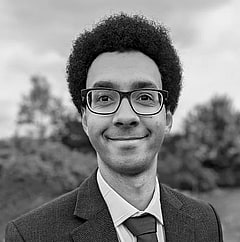

Joseph M.
Qualified teacher with a first class master's in physics from Cambridge University and eight years' experience as a classroom teacher.
- Physics
- Further Maths
- Maths
- +9 more







Read up before you book
Plain-English guides
About Maths
What Maths covers across UK levels, where tutoring usually helps, and what to look for in a tutor.
Exam boards
AQA, Edexcel, OCR, Eduqas, CCEA, SQA (now Qualifications Scotland) and Cambridge International: what each is known for.
Parent guides
Cost benchmarks, online vs in-person, when to start, choosing a tutor, and knowing if it's working.
Also explore