A-level Geography tutors
24 UK tutors who teach Geography at A-level. £15–£130/hr · median £50
Geography at GCSE and A-level mixes physical (rivers, coasts, glaciation, climate, tectonics), human (urbanisation, development, globalisation, migration) and skills-based content (fieldwork, statistical techniques, GIS, map reading). Tutoring helps most on the case-study volume (students often understand processes but can't recall specific named examples under exam pressure) and on the data-skills paper, which trips up otherwise strong candidates. The NEA fieldwork at A-level is a meaningful coursework component. Boards (AQA, Edexcel, OCR, Eduqas) diverge on case studies and fieldwork requirements, so spec-specific tutoring is genuinely useful.
A-level geography includes a non-exam assessment worth 20 per cent of the qualification, an independent investigation of roughly 3,000 to 4,000 words that the student designs themselves. Four days of fieldwork are compulsory. The NEA is where tutoring is most often wanted and where it has to be handled carefully, because the work must be the student's own and a tutor can support method and structure without contributing content. The taught course pairs physical systems with human geography, and the step up from GCSE lies in synopticity: questions expect connections across topics rather than a single case study retold.
A-levels are sat at the end of Year 13 (age 17-18) and are the standard UK university-entrance qualification, with most students taking 3 subjects (sometimes 4 plus an EPQ). Grades A*-E feed UCAS, and competitive university courses set offers at AAA or higher. Tutoring helps most with the step up from GCSE: A-levels demand independent learning, denser content, and exam technique that rewards structured argument or method-mark-aware working. Boards (AQA, Edexcel, OCR, Eduqas, CIE) diverge meaningfully, so match the tutor to the spec, especially in maths, sciences and modern languages where assessment differences are sharp.
80.8% got A* to C in 2026 across the UK (JCQ). Exam boards, dates and past papers


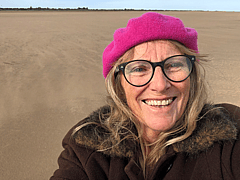
Fiona H.
Experienced Geography Tutor, Lead Exam Writer, Examiner, Head of Department, Author, Training other teachers
- Geography
- SpLD
- Autism
- ADHD & EF
- +2 more



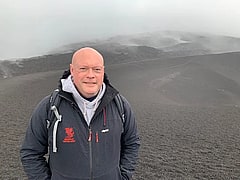
Paul
Economics,Business Finance and English for all levels
- Economics
- Business Studies
- Accounting
- +2 more
- SpLD
- Autism
- ADHD & EF
- +4 more


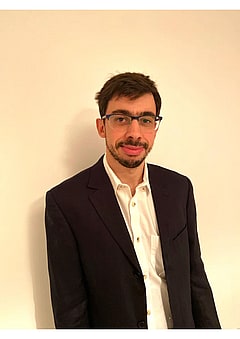
Wendy G.
GCSE, A Level, Undergraduate / MA MSc level Geography tutoring. Very experienced and empathetic tutor. Please see First Tutor Reviews below
- Geography
- ADHD & EF
- Physical & additional
- SEMH









About the A-level Geography exam
Which exam board?
Your child's school will know which board they sit.
AQA · 7037
Exam dates, summer 2027
- Tuesday, 11 May 2027 Paper 1: Physical geography, morning
- Thursday, 20 May 2027 Paper 2: Human geography, afternoon
Past papers, June 2025
- Paper 1 Question paper Mark scheme Examiners' report Insert
- Paper 2 Question paper Mark scheme Examiners' report Insert
Grade boundaries, every series
Grade boundaries
| Series | Grade C | Grade A |
|---|---|---|
| June 2026 | 160/300 53% | 219/300 73% |
| June 2025 | 153/300 51% | 213/300 71% |
The total marks needed across all the papers. From AQA A level grade boundaries, June 2026 and AQA A level grade boundaries, June 2025.
How students do
Share of UK entries who got A* to C, and who got A* or A, all boards.
- 2019 79.6%·23.8%
- 2020 89.2%·36.7%
- 2021 89.2%·41.8%
- 2022 86%·33.8%
- 2023 79.7%·24.8%
- 2024 79.1%·24.8%
- 2025 80.1%·24.4%
- 2026 80.8%·24.7%
2020 and 2021 were teacher-assessed grades, which is why they run higher. All ages, including students resitting. From A level results summer, all UK candidates.
Read up before you book
Plain-English guides
About Geography
What Geography covers across UK levels, where tutoring usually helps, and what to look for in a tutor.
About A-level
Year groups, exam timing, and how A-level fits into the UK qualification ladder.
Exam boards
AQA, Edexcel, OCR, Eduqas, CCEA, SQA (now Qualifications Scotland) and Cambridge International: what each is known for.
Also explore