KS2 Science tutors
16 UK tutors who teach Science at KS2. £15–£150/hr · median £40
Science at primary and KS3 level is the foundation that GCSE Combined or Triple builds on: working scientifically, the basics of forces, particles, cells, reactions and ecosystems. At this stage tutoring is rarely about content gaps and more about confidence with practical thinking, graph-reading, and the vocabulary that exam-board mark schemes will later reward. For KS3 students heading into Year 10, a few sessions on independent/dependent variables, units, and scientific writing pay off across all three sciences at GCSE. Look for tutors comfortable across biology, chemistry and physics rather than specialists in one.
Key Stage 2 covers Years 3 to 6 (ages 7-11), ending with the Year 6 SATs in maths, reading, and grammar/punctuation/spelling (SPaG). It's where most primary-to-secondary academic gaps are formed and where tutoring demand peaks at primary level. Year 6 SATs aren't life-or-death but they affect set placement at secondary in many schools, and the reading paper specifically (fast comprehension under time pressure) is where most students lose ground. Tutoring helps most with timed reading practice, with the SPaG technicalities (which are taught explicitly and reward precise terminology), and with the maths reasoning papers. 11+ prep overlaps Year 5 and Year 6.

Umer S.
Award-winning Oxford/Cambridge/Imperial/UCL Gold Medalist | 11+/13+/16+/GCSE/AL/IB/Admissions Expert | Education Consultant | Examiner
- Common Entrance
- Maths
- Further Maths
- +34 more


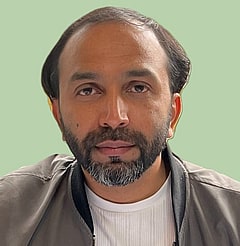
Dr Muhammad K.
PhD in Engineering | 15 years of Teaching Experience in Maths, Science & Engineering | Published Writer & Author | GCSE, A-Level, University
- Chemistry
- Maths
- Further Maths
- +7 more




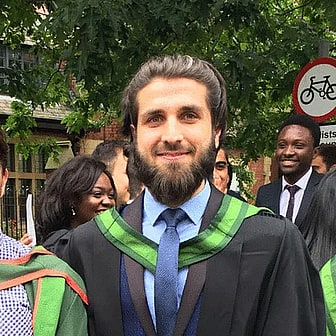



Mr Muhammad U.
GCSC, A Levels Science and Maths Tutor (Range Primary and High Schools+ College) 12 years of professional Experience with Exceptional Result
- Urdu
- Statistics
- Combined Science
- +5 more



Read up before you book
Plain-English guides
About Science
What Science covers across UK levels, where tutoring usually helps, and what to look for in a tutor.
About KS2
Year groups, exam timing, and how KS2 fits into the UK qualification ladder.
Parent guides
Cost benchmarks, online vs in-person, when to start, choosing a tutor, and knowing if it's working.
Also explore